S.P. American Brain
alcohol and psychoactive substances and persons with psychiatric disorders.
For the first time
in the Republic of Kosovo under the umbrella of AMECC "Resonance" opens the Psychiatric Hospital "AMERICAN BRAIN"
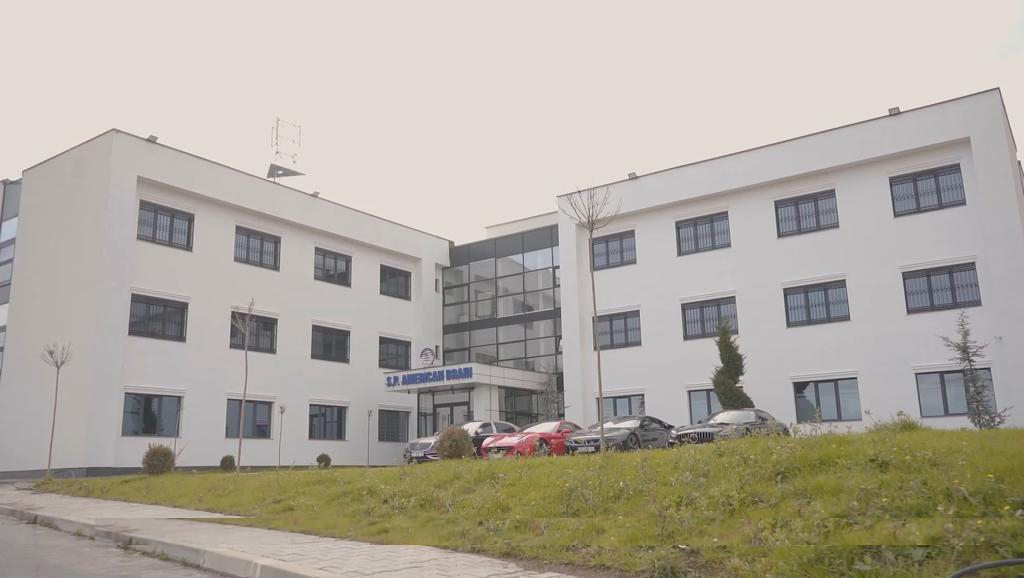
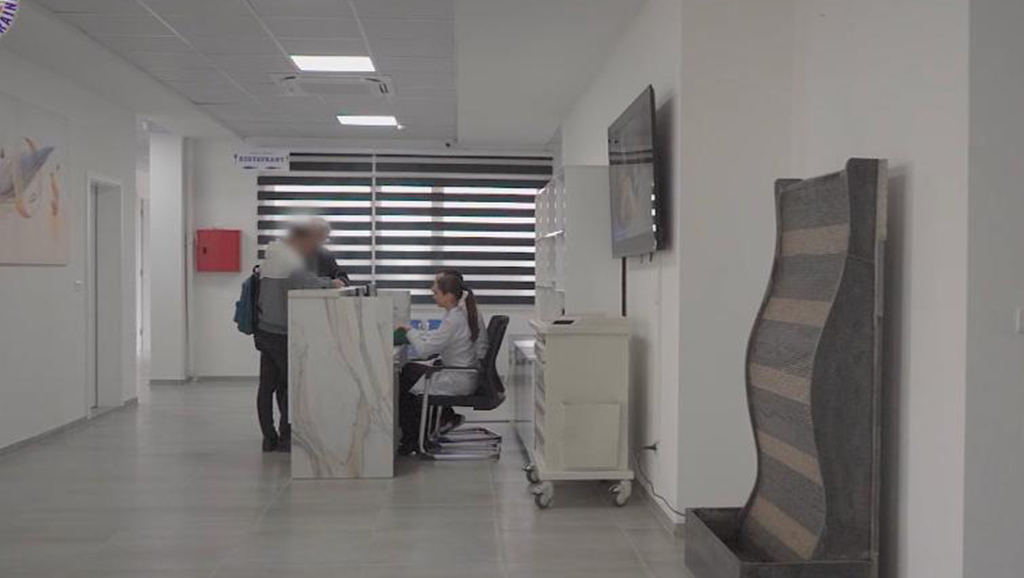
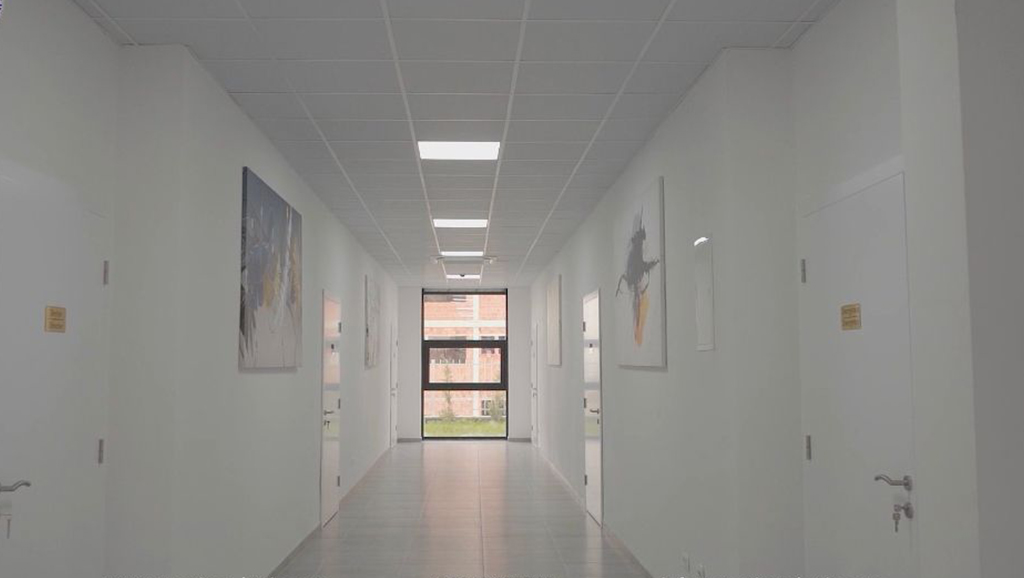
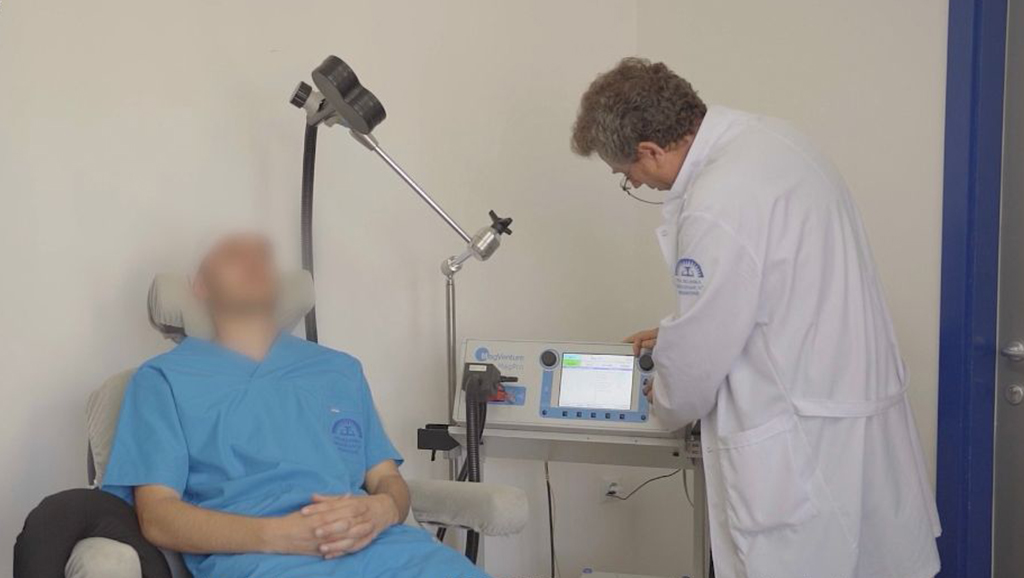
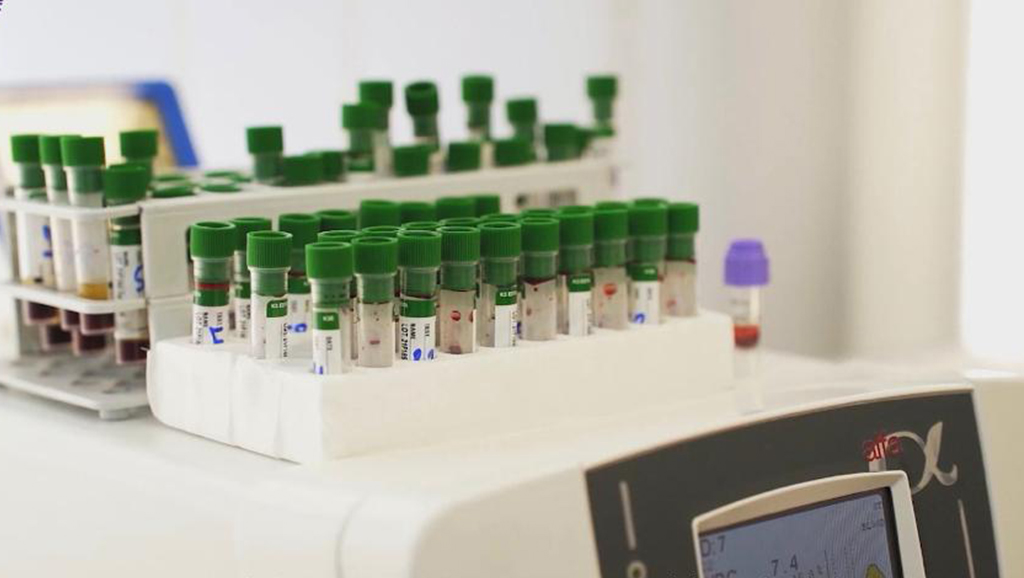
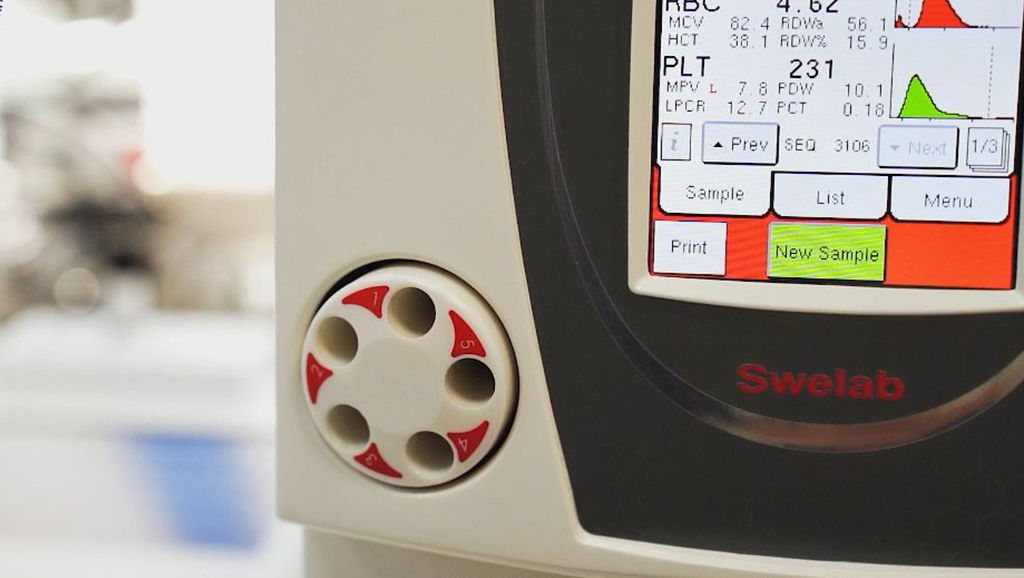

This is the most unique hospital in the region that offers the widest range of services and healthcare, completely personalized, according to the needs of patients and their families, through the integration of modern methods of diagnostics, treatment, education and rehabilitation.
S.P. American Brain
AMERICAN BRAIN
The Hospital offers services such as: RTMS, laboratory services, occupational therapy and psychotherapy.
AMERICAN BRAIN
Rehabilitation and Rehabilitation Programs
Rehabilitation and Rehabilitation Programs
Rehabilitation is the process of restoring a person's health or abilities after an injury or illness. It includes various therapies and treatments to help individuals restore physical, mental, or emotional health. It's a journey of retake to a normal, enriched life. An example of the rehabilitation program is physical therapy, which is often used to help people recover after injuries or operations by improving strength, flexibility and mobility through exercises and techniques tailored to their specific needs. Physical therapists guide patients in this program to help them recover their physical abilities and improve the overall quality of their lives. In addition to physical therapy, there are several other types of rehabilitation programs such as occupational therapy, which helps individuals regain ability for daily activities. speech therapy, which helps with communication and difficulties in swallowing; and cognitive therapy, that focuses on improving cognitive functions like memory and problem solving.
Each program is designed to address specific needs and promote recovery in different areas of a person's life. Some examples of cognitive therapy include cognitive-tasking therapy (CBT), dialectical-acting therapy (DBT), and acceptance and dedication therapy (ACT). These therapies are intended to help individuals identify and change negative thought patterns, develop coping strategies, and improve problem-solving skills. They can be useful for mental health conditions like anxiety, depression and post-traumatic disorders (PTSD). Cognitive-tasking therapy (CBT) works by helping individuals recognize and change negative thought and behavior patterns that contribute to difficulties. For example, let's say someone is afraid to speak in front of the public. At CBT, they would work with a therapist to identify their negative thoughts, such as "I'm going to be ashamed" or "Everyone will appreciate me." Then, they would learn techniques to challenge and reshaven these thoughts, replacing them with more positive and realistic ones, like "I've prepared well, and I can do that." Through practice and guidance, CBT helps individuals develop healthier thought patterns and overcome their fears or challenges. Dialectic-acting therapy (DBT) is a form of therapy that focuses on helping individuals develop skills to manage emotions, improve relationships, and cope with difficult situations. For example, let's say that someone struggles with strong emotions and has difficulty retaliating them. At DBT, they will learn specific techniques such as awareness, emotion regulation, stress tolerance and intermittive effectiveness. These skills help individuals become more aware of their emotions, move into challenging situations, and improve their relationships with others.
Improving cognitive skills
We help individuals improve their abilities for everyday activities with adjunct therapy, speech management and cognitive enhancement. The intermediary skills of different therapies are designed to address specific needs and promote recovery in different areas of a person's life.
Patient motivation at rehabilitation hospital
A positive and supportive environment can help patients in the rehabilitation hospital feel motivated. Success cycles and testing by patients and health professionals show the positive impact and dedicated care of our hospital on their lives.
Conflict Management Techniques in Support Groups
The practice of mindfulness can be improved by starting with small moments in your daily life. While conflicts are a common part of group dynamics, managing them with a focus on open communication and constructive solutions can bring collective growth and learning within the support group.
Long-term Project Strategies and Patient Care
In long projects, motivation can be challenging. By splitting projects into smaller steps and creating clear and realistic goals, one can maintain motivation and make progress. Patients in the rehabilitation hospital can actively participate in setting their goals and feel responsibility and control on their recovery path.
Positive Stimulation and Reinforcement in Projects and Support Groups
Positive reinforcement in rehabilitation hospitals can include creating a system where patients actively participate in goal-setting. This will enable them to have a sense of control and ownership on their rehabilitation journey. Conflicts, on the other hand, can be seen as opportunities for development and growth, while approaching them with open communication and cooperation can bring about a stable and supportive dynamic in support groups.